Friday, March 23, 2018

Symptom finder

Browse health information on symptoms from A. This content is selected and controlled by WebMD's editorial. WebMD Symptom Checker helps you find the most common symptom. Do you have a cold or the flu?


Take this WebMD quiz to see. Experiencing symptoms but not sure what they mean?

Use Symptom Checker to help determine possible causes and treatments, and when to see a doctor. The symptom checker will help you understand your symptoms and provide you with medical information, causes, and treatment for the most common symptoms. Isabel - The Symptom Checker doctors use and trust.


Developed from the professional Isabel tool used by doctors worldwide, the Isabel Symptom Checker will help you work out what’s wrong with you and advise you where to go next. Use this voice app to get quick self-care instructions for burns, choking, insect bites and more. Comprehensive guides on hundreds of diseases and conditions from Mayo Clinic experts.


What is the difference between a symptom and a sign? Medical Author: William C.

M FACP, FACR A symptom is any subjective evidence of disease, while a sign is any objective evidence of disease.

Postpartum months after birth

Postpartum depression (PPD) is a complex mix of physical, emotional, and behavioral changes that happen in a woman after giving birth. According to the DSM- a manual used to diagnose mental. Some experts think PPD can even pop up in the second year after having a baby. For some women, the symptoms of PPD emerge suddenly and early, alerting them soon after they give birth that something is terribly.


Heavy bleeding after giving birth is called postpartum hemorrhage.

It affects up to of women who give birth. It’s most likely to happen the first hours after delivery. I was one of those mothers after the birth of my first child.


I went undiagnosed for more than months. When I finally saw a counselor, she pointed out that all of my symptoms began in the first month after my son was born and continued until that point. Get the facts on your first period after pregnancy.


Learn how your menstrual cycle will be different postpartum , when it might return, how It might be affected by breastfeeding, and more.

It can be performed soon after delivery while you are still in the hospital, several weeks after you have your baby, or several months after childbirth.

New antidepressants

What are the newest antidepressants? What is new antidepressants have less side effects? It may alleviate symptoms and literally save lives.


Confused by the choice in antidepressants ? With persistence, you and your doctor should find one that works so that you can enjoy life more fully again. Are you suffering from anxiety and depression?

With a prevalence , depression is one of the most common mental disorders in the United States and the second leading cause of disability worldwide. For decades, primary care and mental health providers have used selective serotonin reuptake inhibitors (SSRIs) as first-line treatment for depression—yet the remission rate after the first trial of an antidepressant is , and. Research suggests that upwards of million American adults ( of the adult population) are afflicted with major depressive disorder (MDD), a neuropsychiatric condition characterized by overwhelming sadness, behavioral changes, sleep disturbances, and cognitive deficits. As of current, depression is the leading cause of disability in the United States among individuals between the ages of. Tricyclic antidepressants (TCAs) were one of the first approved antidepressants.


Postnatal depression while pregnant

How to overcome depression during pregnancy and postpartum? Can insomnia in pregnancy predict postpartum depression? Are mothers of twins more prone to postpartum depression?


How to help postpartum recovery while pregnant? Depression during pregnancy is also called antepartum or prenatal depression , and depression after pregnancy is called postpartum depression.

Approximately of women experience significant depression following childbirth. The percentages are even higher for women who are also dealing with poverty, and can be twice as high for teen parents. Like other forms of depression , prenatal depression is caused by a hormone imbalance during pregnancy. Other contributing factors include morning sickness, anxieties over becoming a mother and worrying about how your relationship or finances will cope with your new arrival.


While pregnant women often feel surges of emotion. If you think you might be depressed , take this quiz. If you have depression while you’re pregnant , you may have trouble caring for yourself.

If depression during pregnancy isn’t treate it can lead to postpartum depression.

Postpartum depression and postpartum psychosis

How is PTSD different than postpartum depression? What is postpartum psychosis actually like? What should I know about postpartum depression? What are the symptoms of post partum depression?


Postpartum Psychosis is a rare illness, compared to the rates of postpartum depression or anxiety. The onset is usually sudden, most often within the first weeks postpartum. The condition is rare and usually occurs within two to three days of delivery. Rarely, an extreme mood disorder called postpartum psychosis also may develop after childbirth. If you have postpartum depression , prompt treatment can help you manage your symptoms and help you bond with your baby.


For this reason, postpartum psychosis is a very dangerous condition that can have tragic outcomes. An estimated percent of postpartum psychosis cases result in suicide or infanticide. Because of these risks, many women with postpartum psychosis are hospitalized for an extended period of time while they wait for medications to take effect. Postpartum depression (PPD) is a serious mood disorder that affects women after childbirth.


Learn the basics of postpartum depression. The data suggest that postpartum psychosis is an overt presentation of bipolar disorder that is timed to coincide with tremendous hormonal shifts after delivery.

Persistent depressive disorder symptoms

Persistent depressive disorder symptoms

Find information about an MDD treatment for your patients. For MDD treatment options. How to diagnose major depressive disorder? What is treatment for mild depression?


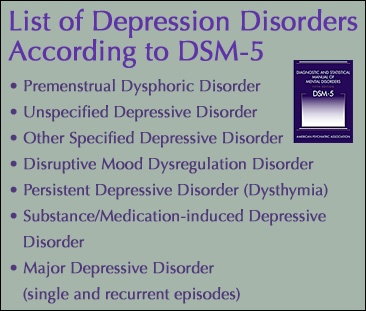
What are the DSM mood disorders? Persistent depressive disorder , also called dysthymia (dis-THIE-me-uh), is a continuous long-term (chronic) form of depression. You may lose interest in normal daily activities, feel hopeless, lack productivity, and have low self-esteem and an overall feeling of inadequacy. A person diagnosed with persistent depressive disorder may have episodes of major depression along with periods of less severe symptoms , but symptoms must last for two years to be considered persistent depressive disorder. Depression is a mood disorder that causes a persistent feeling of sadness and loss of interest.


Also called major depressive disorder or clinical depression, it affects how you feel, think and behave and can lead to a variety of emotional and physical problems. Learn about its symptoms , causes, treatment, and more. It is generally experienced as a less severe but more. With dysthymia, the depression symptoms can linger for a long period of.


It’s also called persistent depressive disorder. Dysthymia is a milder, but long-lasting form of depression. People with this condition may also have bouts of major depression at times.

Thursday, March 22, 2018

Signs of depression after pregnancy

What are symptoms of prenatal depression? How does it feel to be depressed during pregnancy? Is it normal to have depression while pregnant? How to screen for depression during pregnancy?


According to the American Psychiatric Association, postpartum depression can begin in the weeks after pregnancy or even before.

About half of women with PPD have symptoms during pregnancy. If your provider thinks you have depression any time after you give birth , you may be referred to a counselor and prescribed antidepressant medication, if necessary, or referred to a psychiatrist for treatment. The signs and symptoms of depression after pregnancy , or postpartum depression , are generally the same as for any kind of depression. However, women suffering from postpartum blues or depression are often overly fearful, without good cause, that their baby will be harmed.


Children as well as mothers suffer. Sleeping too much or insomniac. Suicidal thoughts and depressed.

Irritable and continually crying or silent. Feeling worthless or having. Symptoms can start anytime during pregnancy or the first year postpartum.

Popular Posts